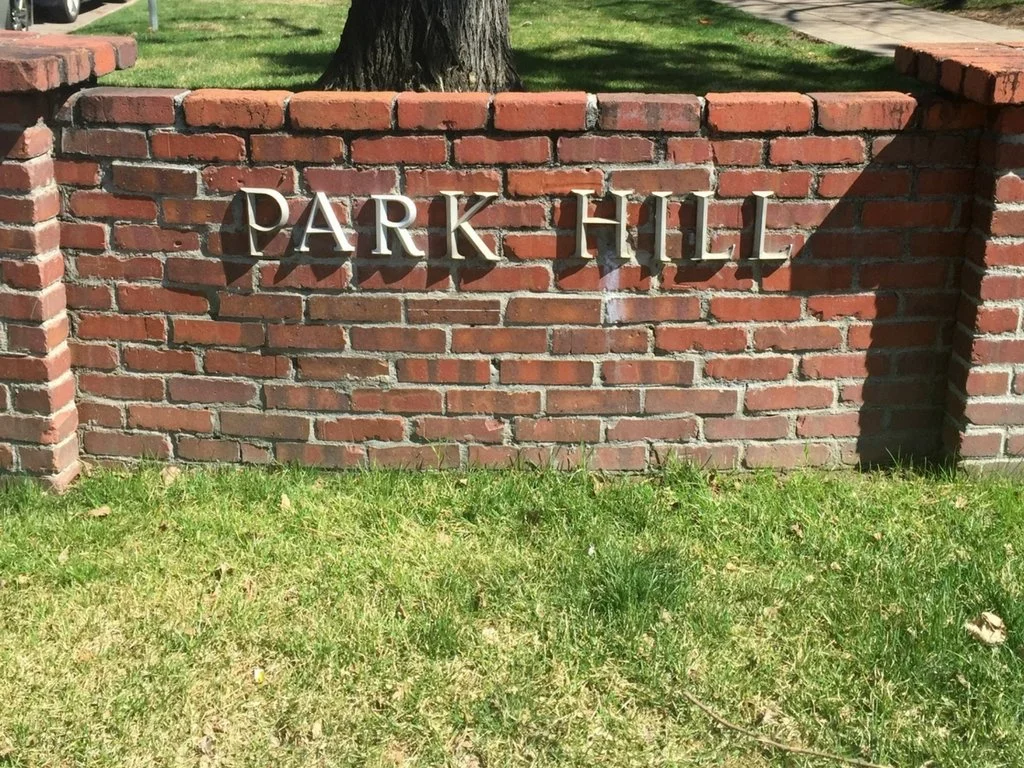
Park Hill Denver real estate, with local strategy and fewer surprises.
We help buyers, sellers, and people relocating to Denver make smart, well-timed decisions in Park Hill. That means more than opening doors and sending listings. It means understanding pricing, negotiation, inspection priorities, and the real-world maintenance issues that come with many older Denver homes. If you want a clearer plan, better context, and fewer avoidable surprises, this is where we start.
From first conversations about timing and budget to offer strategy, inspections, and resale thinking, I help you move through Park Hill with more confidence and better information.
Newest Listings
Who We help in Park Hill / Central Denver
This page is built for people who want practical guidance, not generic market talk. Park Hill attracts a wide range of buyers and sellers, and the right strategy looks different depending on where you are in the process.
Buyers
If you’re trying to buy a home in Denver, Park Hill can be an appealing option because of its character, mature trees, established feel, and central location. It can also be a market where condition, layout, and long-term maintenance matter just as much as price. I help buyers narrow the search, identify tradeoffs early, and make strong decisions without rushing into the wrong fit.
Sellers
If you’re selling a home in Denver, Park Hill requires more than putting a sign in the yard and hoping for the best. Buyers in this part of the city often pay close attention to roof age, drainage, system updates, and the “story” a home tells during showings. I help sellers decide what to fix, what to leave alone, how to price strategically, and how to reduce inspection-related friction before it costs you leverage.
People moving to Denver / relocating to Colorado
If you’re relocating to Colorado, Park Hill is often on the shortlist for buyers who want a neighborhood with character, access, and established housing stock. I help relocators get realistic about block-by-block differences, daily convenience, home maintenance expectations, and what “Denver charm” can mean in practical terms.
Move-up buyers and downsizers
If you’re selling one property and buying another, the challenge is often timing, not just selection. I help clients think through equity, contingencies, overlapping timelines, and what matters most in the next chapter—more space, less maintenance, better layout, simpler living, or stronger long-term fit.This page is built for people who want practical guidance, not generic market talk. Park Hill attracts a wide range of buyers and sellers, and the right strategy looks different depending on where you are in the process.
Buyers
If you’re trying to buy a home in Denver, Park Hill can be an appealing option because of its character, mature trees, established feel, and central location. It can also be a market where condition, layout, and long-term maintenance matter just as much as price. I help buyers narrow the search, identify tradeoffs early, and make strong decisions without rushing into the wrong fit.
Sellers
If you’re selling a home in Denver, Park Hill requires more than putting a sign in the yard and hoping for the best. Buyers in this part of the city often pay close attention to roof age, drainage, system updates, and the “story” a home tells during showings. I help sellers decide what to fix, what to leave alone, how to price strategically, and how to reduce inspection-related friction before it costs you leverage.
People moving to Denver / relocating to Colorado
If you’re relocating to Colorado, Park Hill is often on the shortlist for buyers who want a neighborhood with character, access, and established housing stock. I help relocators get realistic about block-by-block differences, daily convenience, home maintenance expectations, and what “Denver charm” can mean in practical terms.
Move-up buyers and downsizers
If you’re selling one property and buying another, the challenge is often timing, not just selection. I help clients think through equity, contingencies, overlapping timelines, and what matters most in the next chapter—more space, less maintenance, better layout, simpler living, or stronger long-term fit.
Why Park Hill Is Different
Park Hill is one of those neighborhoods where broad market headlines only tell part of the story. On paper, two homes may look similar by size, price, or bedroom count. In reality, one may be turnkey and straightforward, while the other comes with older systems, deferred maintenance, or hidden costs that don’t show up in listing photos.
That’s why local context matters.
Older homes and older systems
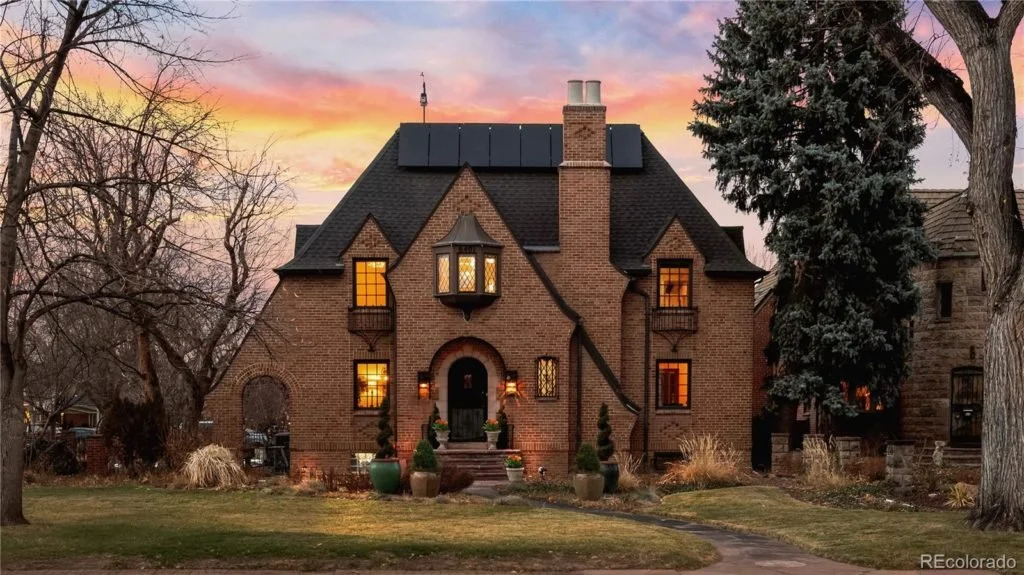
Many Park Hill homes offer character that newer construction can’t replicate—original details, established landscaping, and more architectural variety. But older homes also come with different responsibilities. Electrical systems may have been partially updated. Plumbing may be a mix of old and new. Renovations may have happened in phases, with varying quality. Part of my role is helping buyers and sellers see the difference between charm and risk.
Sewer lines and infrastructure
In older Denver neighborhoods, sewer lines are a real conversation, not a niche detail. Tree roots, aging materials, and long service lives mean sewer scopes matter. This is one of those issues that can shift a negotiation quickly if it’s ignored up front. Buyers need to know where to pay attention, and sellers should understand how this can affect deal confidence.
Drainage and grading
Park Hill’s mature lots and older homes often mean you’re looking at years of settling, changing drainage patterns, and landscaping choices that may or may not help move water away from the home. Proper grading, downspout placement, and visible drainage strategy matter more than many buyers realize—especially in a climate with freeze-thaw cycles and sudden storms.
Hail and roof condition
In Denver, roof age and roofing material matter. Hail isn’t theoretical here, and insurance conversations have become more common in recent years. In Park Hill, where many homes are older and roofs may have been replaced at different times with different materials, it helps to understand what’s functional, what’s aging, and what may become a cost conversation later.
Tree canopy and lot character
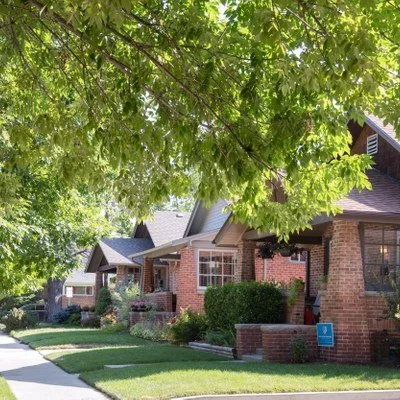
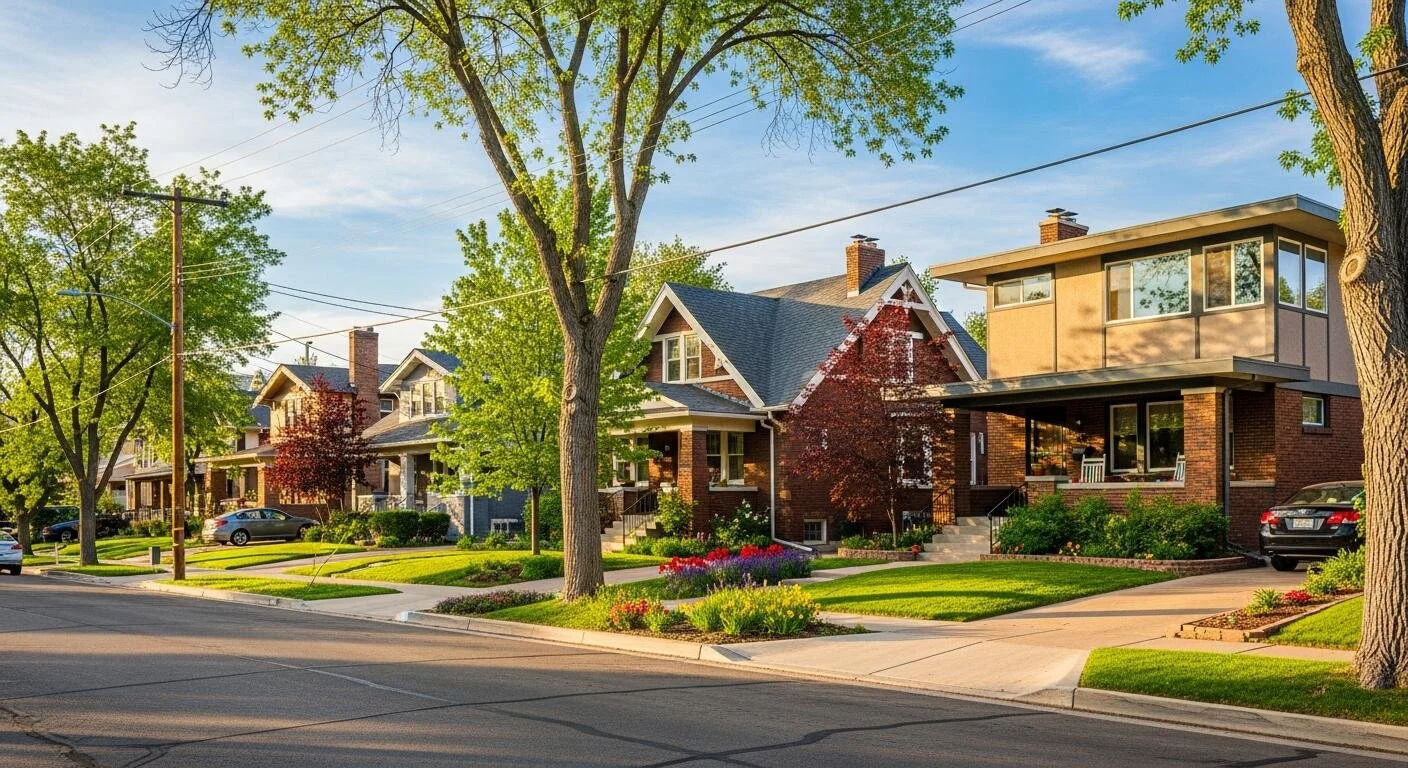
One of the biggest draws in Park Hill is the established feel: mature trees, shaded streets, larger lots in some sections, and a neighborhood identity that feels rooted. That same tree canopy that makes the area beautiful can also affect roof debris, gutter maintenance, root growth, and exterior wear. These aren’t reasons to avoid the neighborhood—they’re simply part of owning here intelligently.
Walkability, parks, and daily life
Park Hill appeals to buyers who want a neighborhood that feels lived-in and established. Access to parks, local routes, neighborhood character, and a sense of place all play into why people are drawn here. For relocators especially, that quality-of-life factor often matters just as much as square footage.
Buying in Park Hill
If you’re trying to buy a home in Denver, especially in a neighborhood like Park Hill, the goal is not just getting under contract. The goal is buying the right home, on the right terms, with the clearest possible understanding of future costs and risk.
Start with monthly payment, not just purchase price
A lot of buyers begin with a headline price range. That’s understandable, but it’s not the most useful first filter. The better first question is: what monthly payment feels comfortable when you include taxes, insurance, maintenance, and the reality of owning an older home? That number tends to create better decisions than chasing a max budget.
Build a search around real-life fit
In Park Hill Denver real estate, the “right” home is rarely just about bedroom count. It’s about the layout, lot, parking, block feel, condition, and how much project tolerance you actually have. Some buyers want character and are comfortable with updates over time. Others want lower maintenance and cleaner systems from day one. Getting honest about that early helps avoid wasted time.
Use inspections strategically
Park Hill is a neighborhood where inspections matter. Roofs, sewer lines, drainage, grading, windows, and system updates can all influence whether a home is a solid buy or a stressful one. I help buyers approach inspections as a decision-making tool, not just a box to check.
Offer terms matter
In the Denver housing market, strong offers are not always the highest offers. Depending on the property and the competition, terms like timeline, flexibility, earnest money, and clarity can matter. A good offer is one that makes sense for your risk tolerance and helps you compete without overextending.
Seller concessions and credits
In a payment-sensitive market, seller concessions can be especially useful. Sometimes a credit toward closing costs or a structured solution that improves the buyer’s payment matters more than a nominal price reduction. That’s one reason negotiation strategy matters so much right now.
Rate buydowns when relevant
If your lender confirms it makes sense, a rate buydown can sometimes help create a better monthly payment path. This is not the right fit for every buyer or every deal, but it can be a smart tool when used thoughtfully.
Bottom line for buyers
The best Park Hill purchase is not just a home you love—it’s one you understand. My job is to help you balance location, condition, price, and leverage so you buy with more clarity and less regret.
Selling in Park Hill
If you’re selling a home in Denver, Park Hill rewards thoughtful preparation. Buyers drawn to this neighborhood are often looking for charm and location, but they’re also paying attention to condition, maintenance, and whether a home feels cared for.
Prep before listing
The strongest listings usually feel intentional. That doesn’t mean over-renovating. It means cleaning up the obvious friction points before the home goes live. A pre-list strategy should separate repairs into three categories: what must be addressed, what would help but isn’t essential, and what can be left alone.
What repairs matter most
Not every repair deserves your money. In Park Hill, the items that usually matter most are the ones tied to trust and inspection confidence: roof concerns, drainage issues, obvious deck or railing safety items, signs of deferred maintenance, and anything that makes buyers wonder what else has been neglected.
Pricing strategy
Pricing is not about guessing high and cutting later. It’s about understanding the home’s strengths, limitations, condition, and competition. In a neighborhood with mixed housing stock and varying levels of renovation, pricing accurately from the start can help you attract stronger buyers and avoid the “what’s wrong with it?” conversation that often follows stale listings.
Concessions vs. price cuts
In some situations, seller concessions can be a smarter tool than a large headline price cut. If the buyer is focused on payment and closing costs, the right credit can help solve the problem more efficiently. That’s not universal, but it’s often worth considering before reacting with a blunt reduction.
Reduce inspection friction
One of the best ways to protect a seller’s leverage is to reduce the number of surprises later. If you already know the roof is near the end of its life or a drainage issue is obvious, the smartest move may be to address it or at least understand it before it becomes a stressful mid-contract negotiation.
Bottom line for sellers
A strong Park Hill sale usually comes from trust, preparation, and clear strategy. Buyers don’t need a flawless home. They need a home that feels honest, cared for, and properly positioned.

Living in Park Hill
Park Hill appeals to people who want a neighborhood with established character and a sense of place. It often attracts buyers who value mature streetscapes, variety in housing stock, and a more rooted residential feel than newer planned communities.
What people like about Park Hill
People are often drawn to Park Hill for its tree-lined streets, neighborhood identity, and the way it feels both residential and connected. It has the kind of lived-in character many relocators are hoping to find when they move to Denver.
Housing stock
This is not a neighborhood of cookie-cutter homes. Park Hill offers a mix of architectural styles, older homes with history, and varying levels of updates. That means more charm, but also more variation in condition and maintenance needs.
Parks, access, and daily life
For many buyers, Park Hill works because it supports daily life well. Whether someone values nearby parks, neighborhood routes, access to other parts of Denver, or simply a stronger sense of neighborhood identity, Park Hill tends to appeal to people who want more than just square footage.
Who Park Hill fits well
Park Hill can be a strong fit for buyers who want established neighborhoods, are open to older housing stock, and appreciate character over sameness. It may be especially appealing for relocators who want a neighborhood that feels distinctly Denver, not generic.
FAQs
Is Park Hill a good place to live?
For many buyers, yes. Park Hill is often appealing because of its established feel, mature trees, neighborhood character, and central Denver access. The biggest thing to understand is that many homes are older, so buyers should be prepared to pay attention to condition and maintenance.
What should buyers inspect in older Denver homes?
Roof condition, sewer lines, drainage, grading, windows, electrical updates, and signs of past moisture or deferred maintenance are all common priorities. In older neighborhoods, inspections are one of the best tools you have for making a smart decision.
Is Park Hill good for people relocating to Denver?
It can be a very good fit for relocators who want a neighborhood with character and a stronger sense of place. The key is understanding the tradeoff: older homes often bring more personality, but they can also bring more maintenance and more variation from one property to the next.
Should buyers ask for concessions?
Sometimes, yes. If closing costs or monthly payment are key concerns, concessions can be a useful negotiation tool. Whether they make sense depends on the property, the seller’s position, and the overall structure of the deal.
What’s the first step to buying in Park Hill?
Start with a conversation about timing, budget, and what kind of homeownership experience you actually want. From there, we can narrow the search, identify likely tradeoffs, and build a strategy that fits your move.
Is Park Hill better for buyers who want move-in ready homes or fixer opportunities?
It can work for both, but the strategy is different. Some homes are well-updated and lower maintenance, while others offer long-term upside for buyers comfortable with improvements over time. The important part is being clear about your tolerance for projects before you start writing offers.
Thinking about buying or selling in Park Hill?
If you’re planning a move in Park Hill—whether you’re buying, selling, or relocating to Denver—I can help you build a clear plan based on your timeline, budget, and priorities. That starts with understanding what matters most to you, where you want flexibility, and which issues are worth solving now instead of later.
You do not need to have every detail figured out before reaching out. If you know your general timing, price range, and whether you’re buying, selling, or both, that’s enough to start a useful conversation.
Reach out for a Park Hill-specific game plan that’s built around your goals, not generic advice.