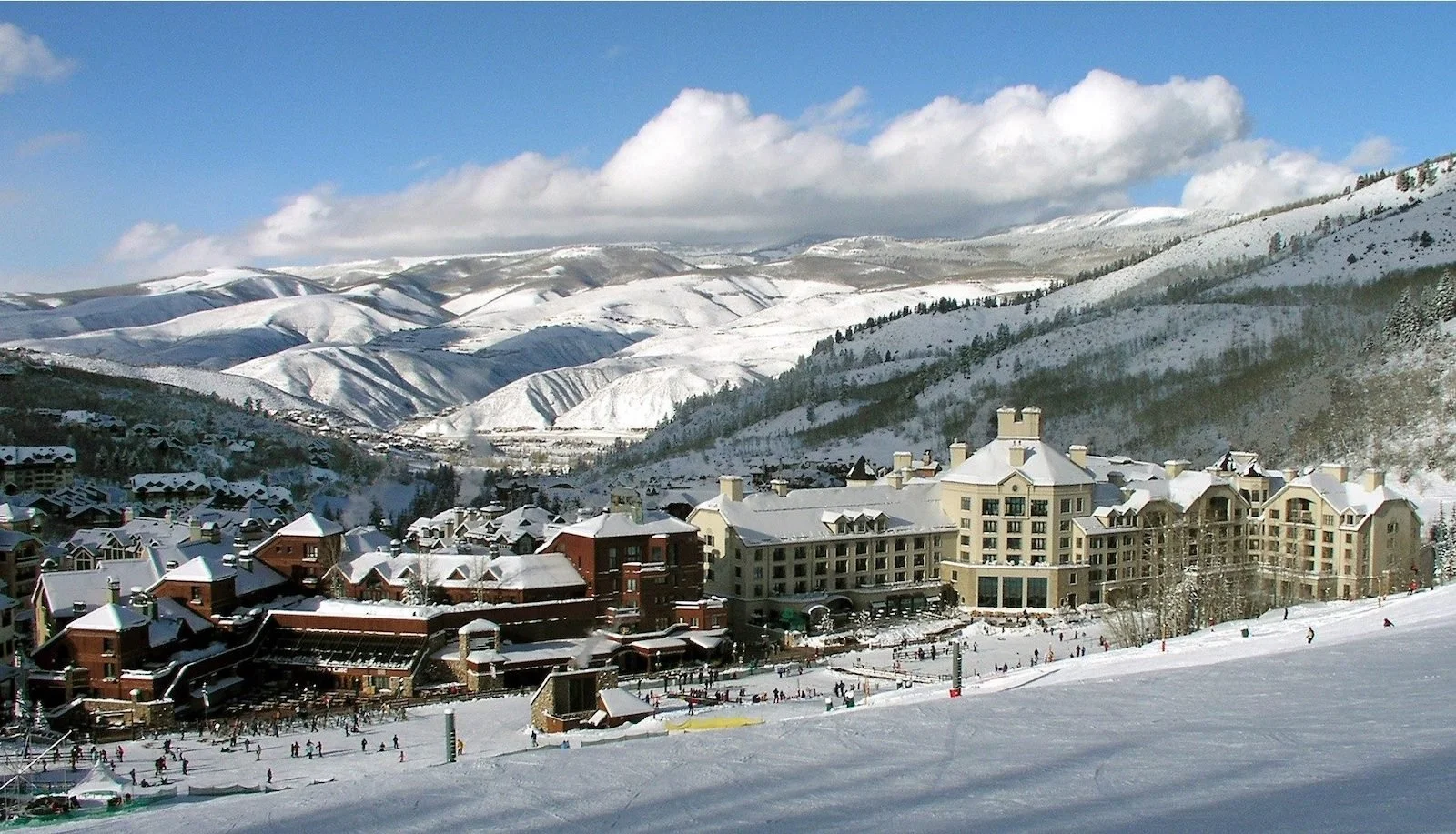
Avon Colorado real estate, with clear advice for mountain buyers and sellers.
We help buyers, sellers, second-home shoppers, and people relocating to Colorado navigate Avon, Nottingham, and the Vail Valley with practical strategy and local perspective. That means looking beyond listing photos and into the details that shape real ownership here: HOA documents, total cost of ownership, maintenance planning, seasonality, resale potential, and whether a property truly fits the way you plan to use it.
Whether you are buying a full-time home, a weekend basecamp, or selling a property in the Vail Valley, we help you make decisions with more clarity and fewer expensive surprises.
Newest Listings
Who We help in Avon and the Vail Valley
This page is built for buyers and sellers who want mountain real estate advice that reflects real ownership, not just a vacation-market highlight reel. Avon can be a great fit, but the right strategy depends on how you plan to use the property and what kind of ownership experience you want.
Second-home buyers
If you’re looking to buy a second home in Colorado, Avon often comes up because it can offer a strong combination of access, convenience, and lifestyle. But a second home has a different set of questions than a primary residence. You need to think about lock-and-leave convenience, HOA responsibilities, storage, maintenance planning, and how often you will realistically use the property. I help second-home buyers sort through those decisions before they become expensive lessons.
Full-time residents
Avon is not just a “visitor market.” For full-time residents, the questions are different: daily convenience, commuting, year-round livability, storage, parking, HOA structure, and long-term fit. I help full-time buyers think through what works well in every season, not just during a long weekend.
Sellers
If you’re selling in Avon or the broader Vail Valley, buyers tend to look closely at condition, documentation, and whether the home feels easy to own. That means clear presentation, strong pricing, and less ambiguity around HOA details, maintenance, and major components. I help sellers position the property in a way that builds confidence and protects negotiating leverage.
People comparing Denver vs mountain living
A lot of buyers are deciding between city convenience and mountain lifestyle. Some are relocating to Colorado and trying to understand the tradeoffs. Others already live on the Front Range and are considering a second home or a move to the mountains. I help clients compare those options based on daily life, ownership demands, and the kind of flexibility they actually want.
Why Avon Is Different
Why Avon and Nottingham require a different kind of real estate strategy
Avon Colorado real estate is not just “Denver with a mountain view.” The ownership experience is different, the cost structure is different, and the risks that matter most are often different. That is especially true in places like Nottingham, where attached housing, HOA dynamics, and convenience-driven lifestyle play a major role in both enjoyment and resale.
This is the part of the page where local trust gets built, because it answers the questions buyers and sellers often don’t know to ask yet.
HOA review matters more than most buyers expect
In many Avon and Vail Valley purchases—especially condos and townhomes—the HOA is not just background paperwork. It is a major part of the financial and practical ownership picture. Buyers need to understand dues, reserves, recent projects, upcoming capital needs, use restrictions, and what is actually included in the HOA structure. A low monthly HOA fee does not automatically mean a better deal if the reserves are thin or major work is coming.
Condo reserves and special assessments
This is one of the biggest mountain-market due diligence items. If a building has major roof, siding, deck, paving, or mechanical work on the horizon, that can affect both your ownership costs and your risk profile. Special assessments are not rare in attached housing, and this is one of the reasons I treat document review as a real strategy issue, not an afterthought.
Snow, drainage, and exterior wear
Mountain properties deal with longer winters, more freeze-thaw exposure, snow management, and different wear patterns than Front Range homes. Roof condition, exterior materials, drainage pathways, deck exposure, and snowmelt flow all matter. A property can look great inside and still have meaningful ownership costs hiding outside.
Insurance questions are part of the conversation now
Insurance has become a more active part of the buying conversation, especially in mountain markets where weather exposure, wildfire considerations, and building age can affect coverage and cost. That doesn’t mean every purchase is problematic. It means buyers should go in with open eyes and enough time to understand what the property may require from an insurance and maintenance standpoint.
Lock-and-leave lifestyle is real—but not automatic
A lot of second-home buyers want a true lock-and-leave setup. That usually means less exterior responsibility, simpler access, manageable maintenance, and fewer variables when you’re away. Some properties support that well. Others look like they will, but create more ongoing work than expected. My role is to help clients tell the difference.
Seasonality affects both use and resale
The timing of when buyers shop, how properties show, and what matters in a given season can shape both buying and selling strategy. A home that feels easy and attractive in one season may show differently in another. Good mountain strategy accounts for timing, condition, and expectations across the year.
Storage, parking, and gear reality
This is one of the most practical and underrated parts of buying in Avon. In mountain markets, storage is not a minor detail. Skis, bikes, seasonal gear, boots, coats, owner closets, and guest overflow all need a place to go. Parking also matters more than many buyers realize, especially in attached housing. These are the details that can make a property more functional and more marketable later.

Mountain Condo vs Single-Family
This is one of the most important decisions in the Avon and Vail Valley market, especially for people looking to buy a second home in Colorado. On paper, both can sound appealing. In practice, the right answer depends on your time, your budget, your travel habits, your tolerance for responsibility, and how much simplicity matters to you.
Condo Pros
For many buyers, a condo is the cleanest path into mountain ownership.
Why buyers like condos:
Easier to leave for long stretches
Less exterior maintenance
HOA may handle snow removal, common areas, and some building upkeep
Often better for lock-and-leave convenience
Can be a good fit for buyers who want less operational complexity
If the goal is to show up, enjoy the property, and keep ownership as simple as possible, a condo can be a strong fit.
Condo Watch-Outs
That simplicity is not free, and it is not automatic.
What buyers need to review:
HOA dues and what they actually cover
Reserve strength
History of special assessments
Building maintenance schedules
Rental restrictions or use rules
Parking, storage, noise, and layout realities
A condo can reduce some responsibilities while increasing the importance of document review and shared-building risk.
Single-Family Pros
For buyers who want more control, single-family homes often offer a different kind of value.
Why buyers choose single-family homes:
More privacy
More flexibility
More storage
More control over maintenance decisions
Better fit for some full-time residents or long-term owners
Potentially stronger alignment with certain lifestyle preferences
For some buyers, the extra control and flexibility are worth the added responsibility.
Single-Family Watch-Outs
More control also means more owner responsibility.
What buyers need to think through:
Snow removal and access
Roof and exterior upkeep
Drainage and site exposure
Decks, railings, and weather impact
Seasonal maintenance when the home is vacant
Higher likelihood of unplanned owner-managed repairs
A single-family home can be a great fit, but the ownership model is more active.
Buying in Avon / Vail Valley
Buying in Avon and the Vail Valley: how to buy with more clarity
Buying in the Eagle County housing market requires a slightly different mindset than buying on the Front Range. The right deal is not only about price and location. It is also about total ownership cost, building or property condition, and whether the home supports the way you will actually use it.
Start with total cost of ownership
In mountain markets, the purchase price is only part of the equation. Buyers should think in terms of the full ownership picture:
mortgage
taxes
HOA dues (if applicable)
insurance
utilities
maintenance
seasonal services
future capital needs
That fuller view helps you avoid buying a property that looks manageable on paper but feels heavier in practice.
HOA + insurance + maintenance
For condos and townhomes, HOA structure is a central part of the decision. For single-family homes, the equivalent question becomes: what will I need to handle myself, and what could that cost over time? Insurance and maintenance planning should be part of the buying conversation early, not after the contract is signed.
Search strategy should match real use
I help buyers search based on their real ownership goals:
Will you be here full time or part time?
Do you want true lock-and-leave simplicity?
How important are storage and parking?
How much exterior responsibility are you willing to take on?
Will this home need to support guests, remote work, or long weekends with gear?
Those questions are what make the right property rise to the top.
Offer strategy
In Avon Colorado real estate, the strongest offer is not always the most aggressive offer. Clean terms, timing, clarity, and alignment with the seller’s goals can matter. The right strategy depends on the property, the season, the competition, and the buyer’s priorities.
Seller concessions and credits
Like other markets, payment-focused negotiations are still relevant. In the right situation, seller concessions or credits toward closing costs can help structure a deal more effectively than a small nominal price reduction. The details depend on financing and the broader terms of the contract, but it is an important tool to consider.
Rate buydowns when appropriate
If a lender confirms the numbers make sense, rate buydown strategies can sometimes help improve the monthly payment for buyers who want to keep the purchase within a comfortable budget. This is not a universal answer, but it can be a useful option when the transaction supports it.
Inspection priorities
In the Vail Valley, inspections should focus on the issues that really affect mountain ownership:
roof condition and weather exposure
decks and railings
drainage and snowmelt pathways
ventilation and moisture management
exterior wear
mechanical systems
for attached housing, shared-building maintenance questions
Bottom line for buyers:
A good mountain purchase is not just a pretty property in a great location. It is a property that fits your lifestyle, your time, your budget, and your tolerance for ongoing responsibility.
Selling in Avon / Vail Valley
Selling in Avon: how to make the property feel easy to say yes to
When you’re selling in Avon or the Vail Valley, buyers are often buying more than a floor plan. They are buying convenience, ease, lifestyle, and confidence. The homes that perform best are the ones that reduce mental friction.
Presentation and lifestyle appeal
Buyers in mountain markets often respond strongly to properties that feel simple, clean, and ready to enjoy. That does not mean over-staging or chasing a luxury-magazine look. It means the property should feel bright, well-maintained, organized, and easy to imagine using.
Maintenance documentation
One of the most underrated ways to help a mountain property sell is to document what has been done:
HOA updates
receipts for major work
appliance or system replacement dates
service history
deck or exterior maintenance
roof updates if relevant
This kind of documentation makes buyers feel more comfortable, especially if they are comparing multiple options.
Seasonality matters
Mountain properties show differently depending on the time of year. Access, snow, exterior appearance, natural light, and buyer mindset can all shift with the season. Good pricing and listing strategy should reflect the timing of the market, not just the seller’s target number.
Pricing strategy
Pricing in the Vail Valley should account for:
property type
HOA burden or convenience
condition
views/access/livability
storage and parking
how the property compares with active alternatives
A well-priced listing creates confidence. An overreaching listing can sit, lose momentum, and invite buyer skepticism.
What mountain buyers worry about
Mountain buyers often look beyond finishes. They worry about:
how easy the property is to own
what hidden costs may exist
whether the HOA is solid
whether the property will feel like work
whether maintenance will become a constant project
The more you can answer those concerns before they become objections, the stronger your position.
Bottom line for sellers:
The goal is not just to make the property attractive. The goal is to make the property feel manageable, understandable, and worth committing to.
Living in Avon / Vail Valley
Why buyers like Avon
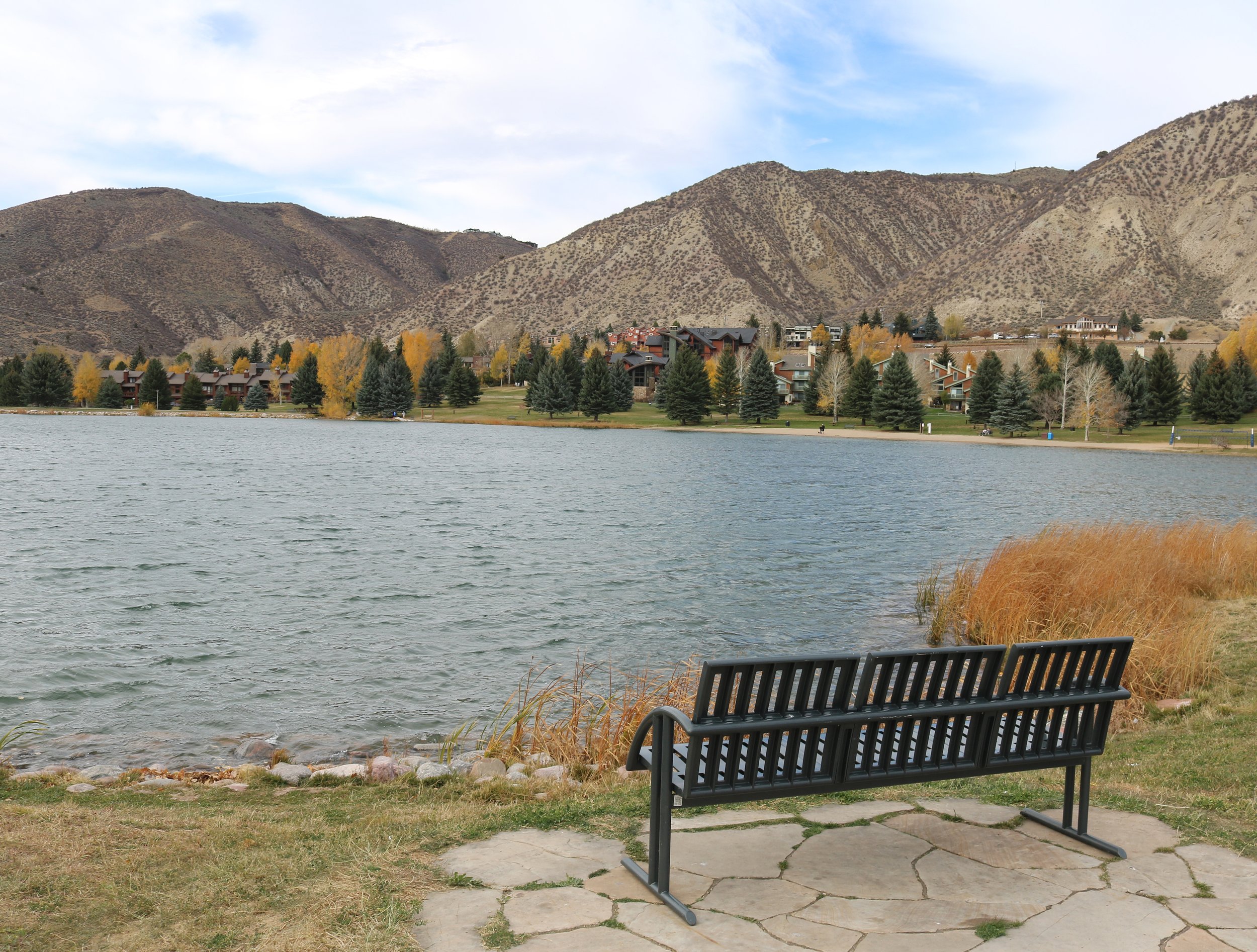
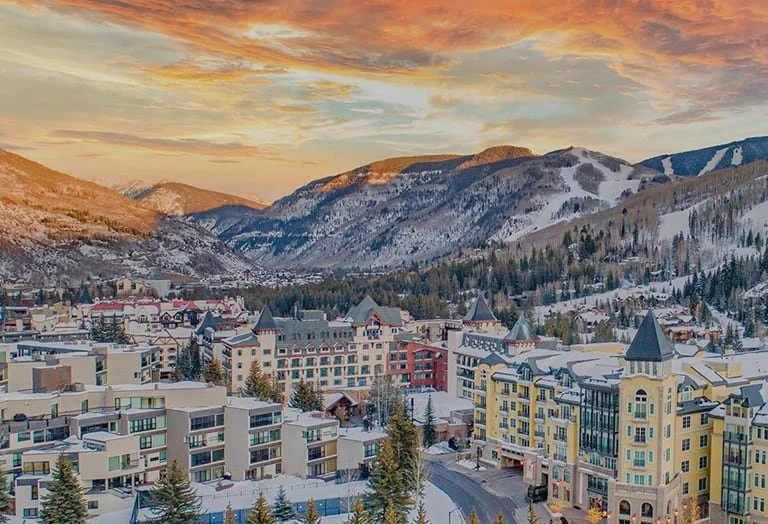
Avon is attractive to buyers who want convenience, a strong “basecamp” feel, and a location that can support either full-time living or part-time mountain use. For many buyers, it offers a practical balance between access, lifestyle, and ownership simplicity.
Convenience matters here
One reason Avon stands out is that it often appeals to buyers who care about everyday usability, not just occasional mountain appeal. Ease of access, simpler routines, and a more functional ownership experience can make a big difference—especially for second-home owners who do not want every visit to start with logistics.
HOA / condo-style living
For many properties in and around Avon, attached-housing realities are part of the package. That means HOA review matters, but it also means convenience can be a real benefit. Buyers who want less exterior maintenance and a more lock-and-leave structure often find this appealing.
Who Avon tends to fit best
Avon can be a strong fit for:
second-home buyers who value ease
buyers who want a more practical mountain setup
full-time residents who prefer convenience
buyers who do not want the full maintenance burden of a detached home
FAQs
Is Avon a good place for a second home?
For many buyers, yes. Avon can be a strong option for second-home ownership because it often offers a practical balance of convenience, access, and usability. The key is choosing a property that truly matches how often you’ll use it and how simple you want ownership to be.
What should I know about buying a mountain condo?
The biggest priorities are HOA review, reserves, special assessments, rental rules, storage, parking, and whether the building supports the kind of use you want. A mountain condo can be a great fit, but the details matter more than many first-time mountain buyers expect.
What matters most in HOA review?
Budget, reserves, history of assessments, upcoming capital projects, use restrictions, and insurance structure are all important. The goal is to understand both the monthly cost and the future risk.
Condo vs single-family in the Vail Valley: which is better?
Neither is automatically better. A condo is often easier to manage and better for lock-and-leave ownership. A single-family home gives you more control and privacy, but also more responsibility. The better choice depends on how you plan to use the home and what level of involvement you want.
Is Avon good for full-time living?
It can be. Many buyers are surprised by how practical Avon can be for year-round living, especially if convenience and manageable lifestyle are priorities. The right fit depends on commute needs, budget, property type, and how much you value simplicity vs space.
What’s the first step if I’m considering Avon or the Vail Valley?
Start by getting clear on how you will use the home: full-time, part-time, weekends, remote work, guests, long stays, or occasional escapes. That one decision shapes nearly every other smart choice in the search.
Thinking about buying or selling in Avon?
If you’re deciding between Avon, Nottingham, or a broader Vail Valley search, I can help you compare options based on how you’ll actually use the home. That means looking at lifestyle, ownership complexity, cost structure, and what will feel sustainable and useful over time—not just what looks good in the photos.
Whether you’re buying a second home in Colorado, looking for a full-time move, or preparing to sell, the first step is getting a clear picture of what matters most to you and what kind of ownership experience you want.
You do not need to know every answer before reaching out. If you know your general timeline, budget, and whether you’re looking for a condo, townhome, or single-family property, that is enough to start a practical conversation.
Reach out for an Avon-specific game plan built around your goals, your lifestyle, and the way you plan to use the property.